Permitted Development vs Full Planning Permission: Lancashire Extensions Explained
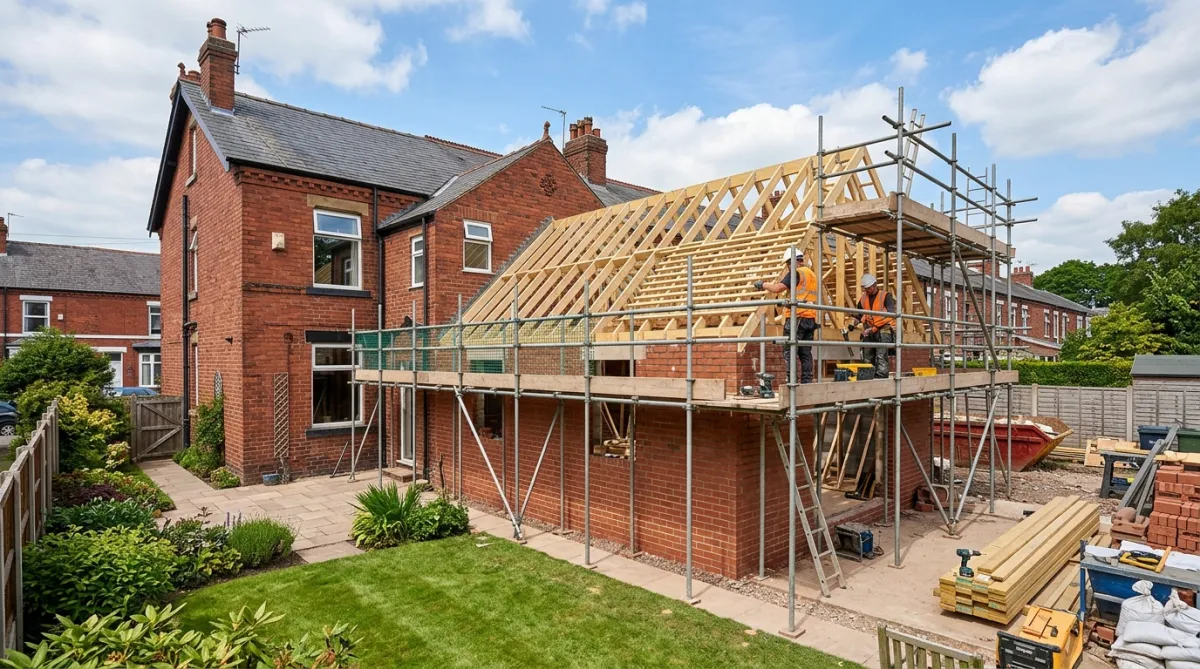
Planning permission is the single biggest source of confusion for Lancashire homeowners thinking about an extension. The system has two paths. One needs a full planning application with drawings, neighbour consultation, and council fees. The other lets you build under permitted development rights with no planning application needed at all. Knowing which path your project falls into can save you months of delay and hundreds of pounds in fees.
This guide breaks down the difference between permitted development and full planning permission for Lancashire extensions, what you can build under each, and how to avoid the common traps that catch homeowners out. At Premier Construction Solutions we coordinate with planning departments across Burnley, Blackburn, Hyndburn, Pendle, Rossendale, Ribble Valley and beyond every week.
What Is Permitted Development?
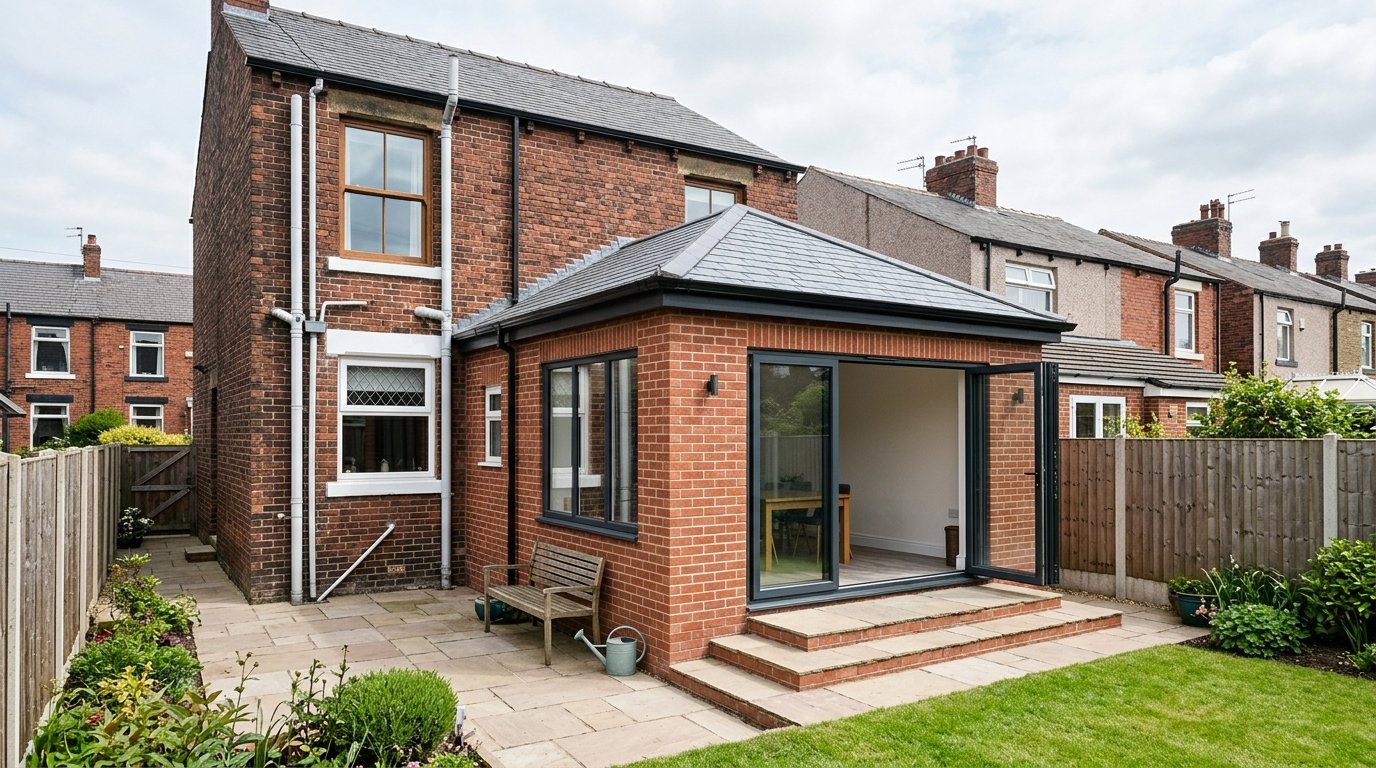
Permitted development rights allow you to extend or alter your home up to specific size and design limits without needing to submit a full planning application. The rights are set nationally and apply to most residential properties in England, including across Lancashire.
You still need to build to Building Regulations standards, you still need to follow party wall procedures where shared boundaries are involved, and you still need to obtain a Lawful Development Certificate from your local planning authority as proof that the work fell within permitted development. But you do not need to wait for planning approval, pay planning application fees, or risk a refusal.
What You Can Build Under Permitted Development in Lancashire
Single-Storey Rear Extensions
- Up to 4 metres deep on detached properties
- Up to 3 metres deep on semi-detached and terraced properties
- Maximum eaves height of 3 metres if within 2 metres of a boundary
- Side facing windows must be obscure-glazed and non-opening below 1.7 metres
Larger Single-Storey Extensions via Prior Approval
You can extend further (up to 8 metres on detached, 6 metres on semi-detached or terraced) under the Larger Home Extension scheme, but you must notify the council, who will then consult neighbours. If no objections are received, you can proceed. This is technically still permitted development but requires the Prior Approval step.
Two-Storey Rear Extensions
- Up to 3 metres deep
- Must be at least 7 metres from the rear boundary
- Roof pitch must match the existing property where possible
- Side facing windows on upper floors must be obscure-glazed and non-opening below 1.7 metres
Loft Conversions
Most Lancashire loft conversions fall within permitted development if the additional volume does not exceed 40 cubic metres on terraced houses or 50 cubic metres on detached and semi-detached. Dormer windows facing the rear are usually allowed, those facing the front are not.
When You Need Full Planning Permission
Full planning permission is required when your project exceeds permitted development limits or when permitted development rights have been removed from your property. Common situations across Lancashire include:
- Extensions larger than the permitted development thresholds above
- Properties in conservation areas (parts of Clitheroe, Skipton, and other Lancashire market towns)
- Listed buildings (even minor works often need listed building consent in addition to planning permission)
- Properties where the council has removed permitted development rights via an Article 4 Direction
- Flats and maisonettes (permitted development does not apply)
- Extensions that would block neighbour daylight significantly, regardless of size
- Front-facing extensions or any work that materially alters the appearance of the front of the property
The Article 4 Trap
Some Lancashire areas have Article 4 Directions in place, particularly in conservation zones across the Ribble Valley, parts of Pendle, and selected streets in Burnley town centre. An Article 4 Direction removes permitted development rights for specific types of work in a defined area. Homeowners often assume permitted development rights apply and find out only when they apply for the Lawful Development Certificate, by which point the extension is already built.
The fix is simple. Before assuming permitted development applies, check with your local planning authority whether an Article 4 Direction is in place for your street. Premier always carries out this check at the quote stage on any Lancashire project.
The Lawful Development Certificate
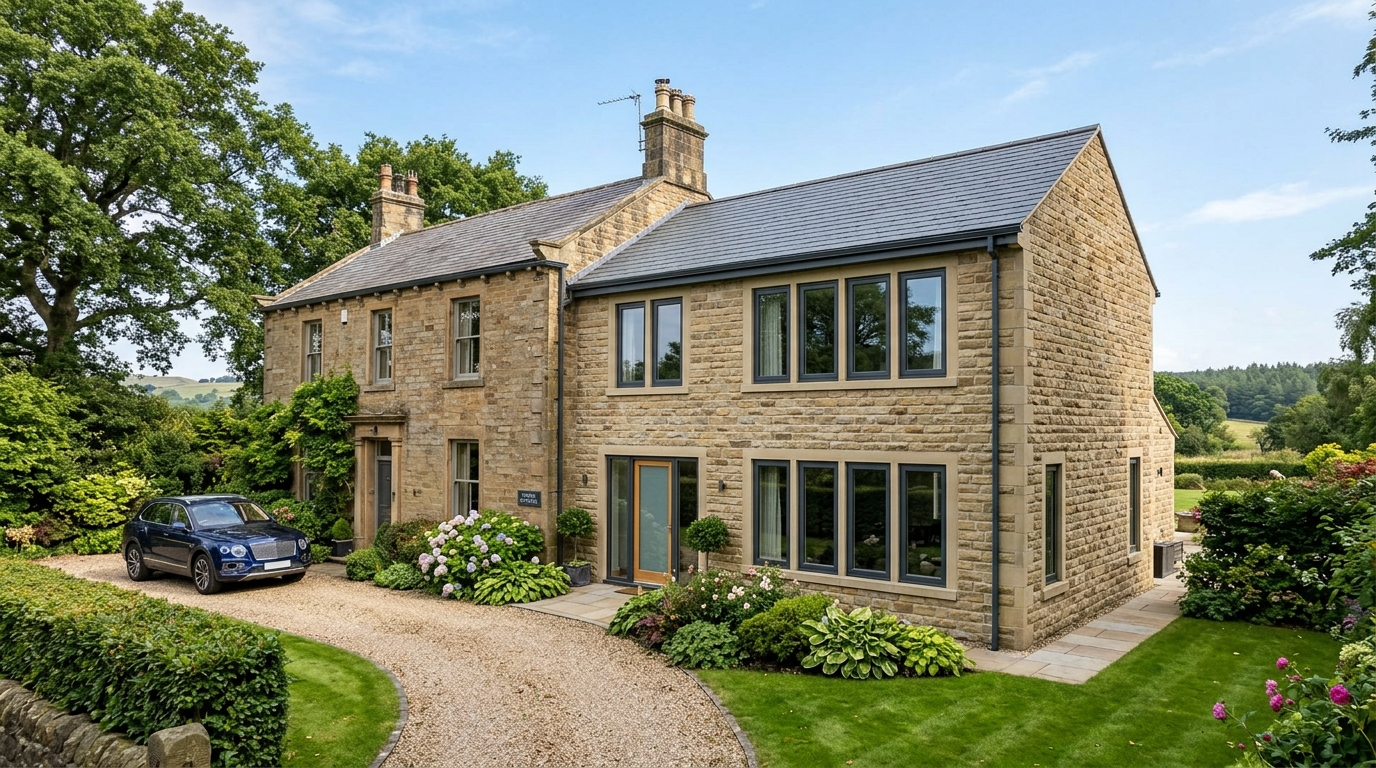
Even when your work falls neatly within permitted development, you should obtain a Lawful Development Certificate from the council. This is a formal document confirming that the work was lawful under permitted development rights. It costs less than half what a full planning application would cost and protects you when you eventually sell the property.
Conveyancing solicitors routinely ask for proof of planning compliance on extended properties. Without a certificate, buyers and their solicitors will often request indemnity insurance or, in the worst case, walk away from the purchase. The certificate is cheap insurance for a future sale.
How Long Each Path Takes
- Permitted development with Lawful Development Certificate, 4 to 8 weeks from application to certificate
- Larger Home Extension prior approval, 6 to 8 weeks from notification
- Full planning application, 8 to 13 weeks for a typical householder application, longer if a planning officer raises objections
- Conservation area or listed building application, 12 to 20 weeks, often longer if conservation officer feedback requires revisions
Building Regulations approval runs in parallel with planning and adds another 4 to 8 weeks depending on the complexity of the build.
What to Do Next
If you are planning an extension on a Lancashire property and unsure whether you need full planning permission, get advice from a contractor who deals with the local authorities every week. Premier Construction Solutions handles the planning route on every project we quote, including pre-application advice where it helps, Lawful Development Certificate submissions, and full planning applications where required.
We work across Lancashire including Burnley, Blackburn, Skipton, Colne, Nelson, Accrington, Darwen, Rossendale, Bacup, Clitheroe, Rawtenstall, Haslingden, Great Harwood, Padiham and Chorley. Every quote is free, written and no-obligation.
Get in touch today for an honest assessment of your Lancashire extension project, what planning route it falls into, and what it will cost to build properly.
