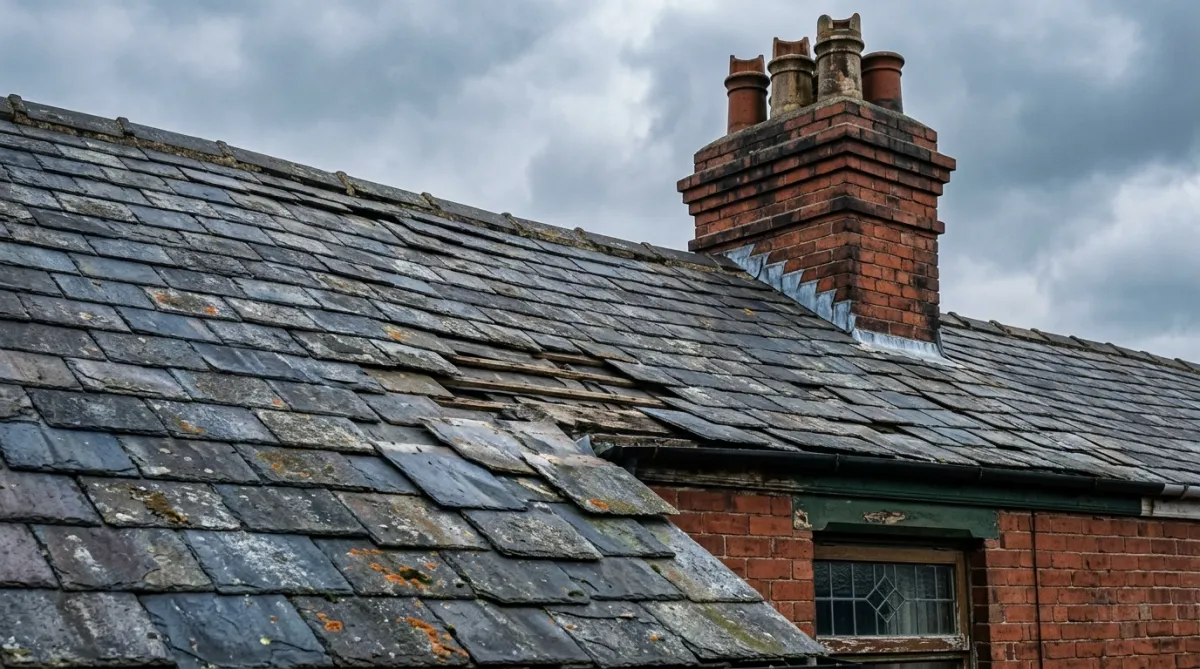
How Often Should You Replace Your Roof on a Lancashire Property?
If you own a property in Lancashire, the chances are your roof is older than you think. East Lancashire's housing stock leans heavily on Victorian and Edwardian terraces, post-war semis and stone-built farmhouses, which means a sizeable proportion of roofs across Burnley, Blackburn, Accrington and the surrounding towns are well over fifty years old. Some are over a century. The question most homeowners reach is the same: how do I actually know when it's time to replace the roof rather than keep patching it?
At Premier Construction Solutions we assess Lancashire roofs week in, week out. Here is a straight, no-nonsense guide to typical roof lifespans, the warning signs that point to replacement rather than repair, and the local conditions that shorten a roof's life in East Lancashire.
Typical Roof Lifespans on Lancashire Properties
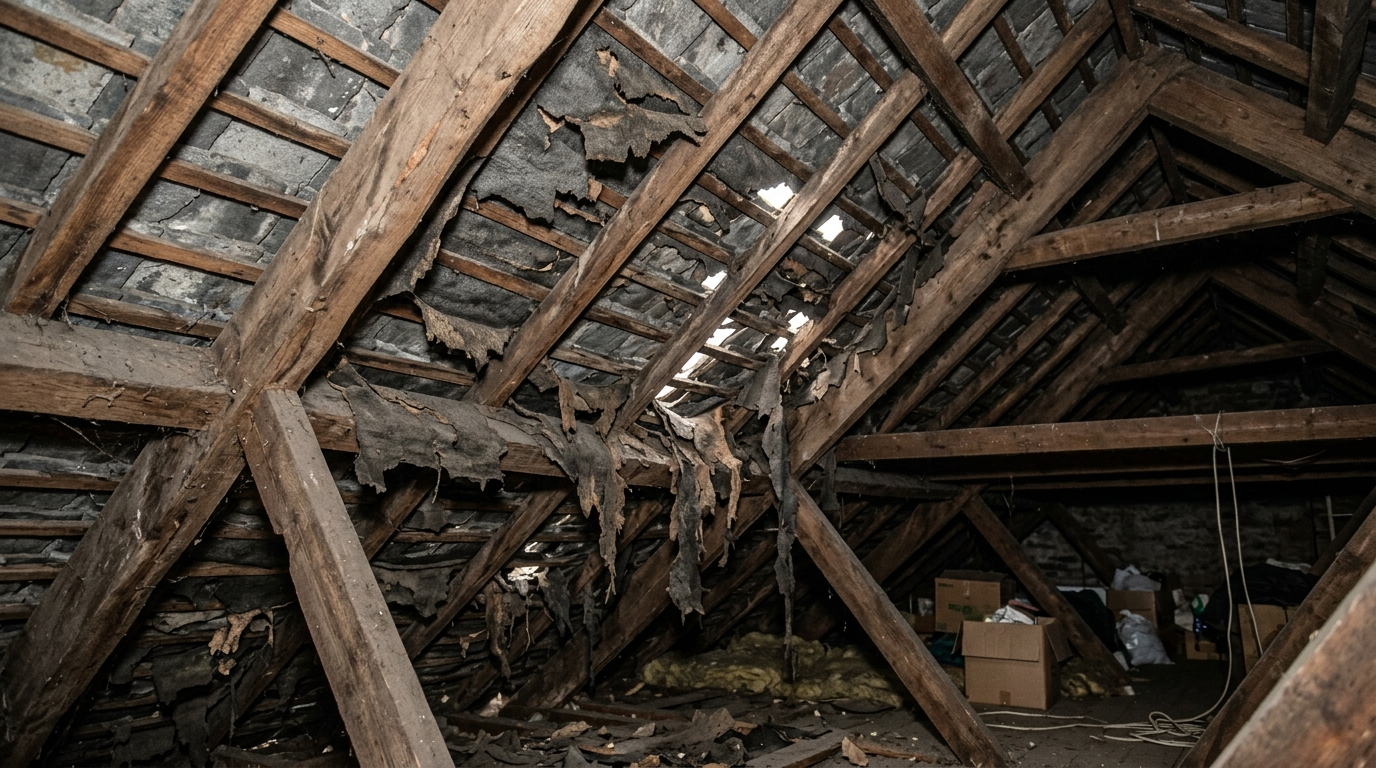
The expected lifespan of your roof depends almost entirely on the materials used and how well the roof has been maintained. Here are the figures you can rely on for the vast majority of Lancashire properties:
- Natural Welsh slate, 80 to 150 years when properly installed. Common on Victorian terraces across Burnley, Padiham and Nelson.
- Concrete interlocking tiles, 40 to 60 years. The most common modern replacement material across Lancashire.
- Clay tiles, 60 to 100 years. Often found on older detached properties and conservation area homes in Clitheroe and Skipton.
- Reconstituted slate, 40 to 60 years. A practical modern option for streetscape matching on older rows.
- Felt flat roofing, 10 to 20 years. Standard on rear extensions across East Lancashire.
- EPDM rubber flat roofing, 25 to 50 years. The modern replacement of choice for flat roofs.
- GRP fibreglass flat roofing, 25 to 30 years. Strong performance on small to medium flat areas.
These figures assume professional installation and reasonable maintenance. A poorly installed roof can fail decades earlier than expected, while a well-maintained natural slate roof can outlast multiple generations of homeowners.
The Lancashire Climate Factor
One thing that catches a lot of Lancashire homeowners out is that the national lifespan averages assume average UK weather. East Lancashire is not average UK weather. Burnley, Blackburn, Darwen and the surrounding hills sit in some of the wetter parts of England, with persistent driving rain, strong prevailing westerlies channelling up the Calder Valley, and freeze-thaw cycling through winter.
That climate accelerates the failure of pointing mortar, ridge tile bedding, lead flashings and roof felt. Properties at higher elevations, such as those on streets climbing towards Briercliffe, Tockholes or the West Pennine Moors, typically show wear earlier than properties sheltered on the valley floor. Realistic lifespans for Lancashire properties tend to sit at the lower end of the national ranges quoted above.
Signs Your Lancashire Roof Needs Replacing Rather Than Repairing
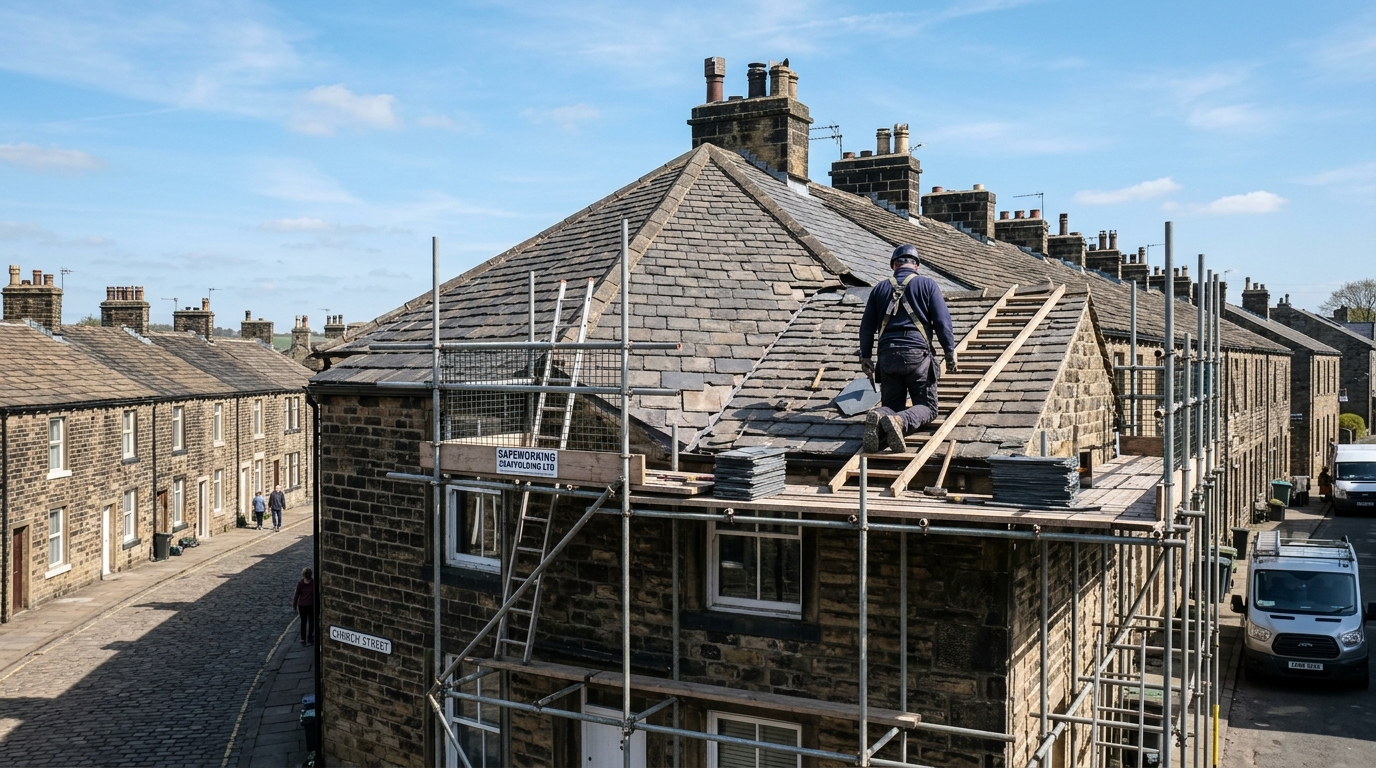
Most roofs do not need replacing because of one dramatic failure. They reach the end of their life through a slow accumulation of issues that eventually make repairs uneconomical. Here are the indicators we look for on Lancashire properties:
1. Widespread Nail Sickness
If you have slates slipping repeatedly across multiple sections of the roof, the iron nails that secured the original slates are likely corroding through. This is the single most common reason for full re-roofs on Victorian Burnley and Nelson terraces. Once nail sickness sets in across a roof, patching individual slates becomes a losing battle.
2. Severely Deteriorated Felt
Climb into the loft and look up. If you can see daylight, or if the underlay felt is brittle, sagging or visibly perished, the roof has lost its secondary defence against water ingress. Even with the outer slates or tiles in good condition, failing felt means water will start finding its way into the property within a few years.
3. Repeated Repairs in the Same Areas
If you have paid for roof repairs three or four times in recent years and the same problems keep coming back, you are throwing money at a roof that has reached the end of its useful life. At a certain point, the cost of continued patching exceeds the cost of a proper replacement.
4. Widespread Ridge and Hip Failure
If pointing has failed along the entire length of the ridge or hips, with multiple tiles lifting or missing, the roof's structural finish is compromised. Spot repairs will not address the underlying mortar failure.
5. Sagging Roof Lines
A roof that visibly sags between rafters indicates structural issues that go beyond surface materials. This needs proper assessment by a competent contractor before any decision on repair versus replacement can be made.
Roof Replacement Costs Across Lancashire
A full roof replacement on a standard Lancashire property is a significant investment, but it is not as variable as some quotes might suggest. The biggest factors influencing the price are roof area, pitch, access conditions, chimney count, and material specification.
A standard two-bedroom Burnley terrace typically takes two to four days for a complete re-roof. Larger semi-detached and detached properties in areas like Clitheroe or Skipton run longer, particularly where there are dormers, multiple chimney stacks, or complex hip and valley arrangements. Premier always provides a free written quote after assessing the property, so you know the exact price before any work begins.
When a Repair Genuinely Is the Right Call
Not every aged roof needs replacing. A natural slate roof with isolated slipped slates, a chimney with failing flaunching, or a small section of damaged flashing can all be repaired effectively and add real years of life to the roof overall. We will tell you straight when repair is the right call, even though replacement carries a bigger invoice. The goal is the right job, not the biggest job.
What to Do Next
If you are reading this because your Lancashire roof is showing signs of wear, the right next step is a proper inspection by a contractor who knows the local property stock. Premier Construction Solutions covers Burnley, Blackburn, Skipton, Colne, Nelson, Accrington, Darwen, Rossendale, Bacup and Clitheroe, plus surrounding areas across East Lancashire. Every quote is written, free and no-obligation. Kenny Morphet or a senior member of the team will assess your roof, explain what it needs honestly, and give you a clear price before any work starts.
If your roof is showing the signs above, do not put off the inspection. Roof issues only get more expensive the longer they are left. Get in touch today for a free written quote on roof repair or replacement anywhere in Lancashire.
